Skin Surgery

Skin cancer surgeon in Whangārei

The information on this page is general in nature and should be used as a guide only. It is not a substitute for personalised medical advice. Your treatment options will be discussed during a consultation based on your diagnosis and individual circumstances.
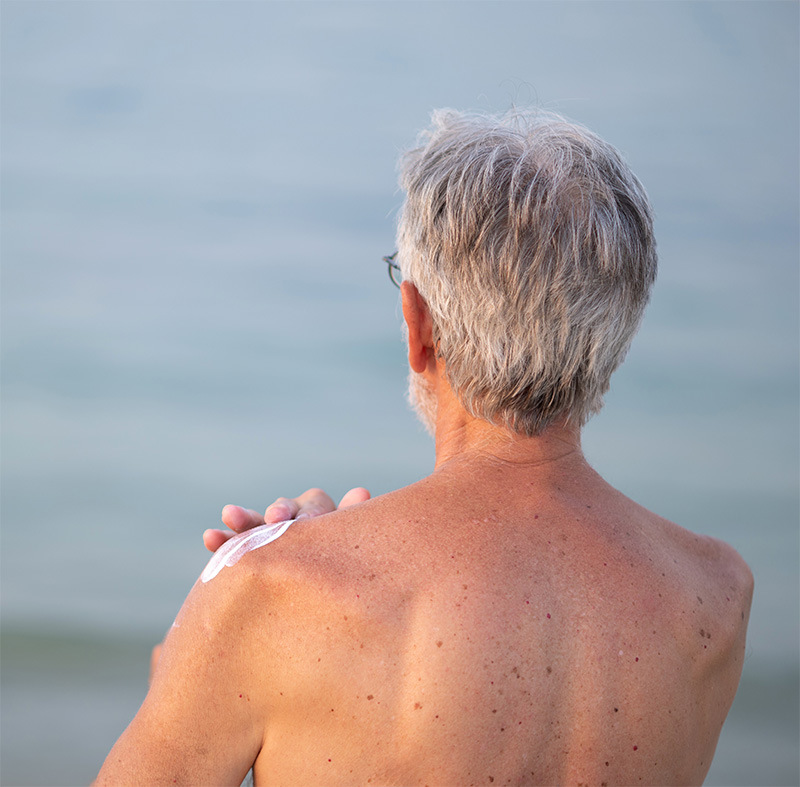
Expert skin cancer care

As a skin cancer surgeon in Whangārei, Will has extensive experience in the assessment and surgical treatment of melanoma and non-melanoma skin cancers. He provides personalised care for patients requiring skin cancer removal, reconstruction and ongoing management.

With a strong understanding of the importance of early diagnosis and treatment, he takes the time to explain your options, answer your questions and ensure you feel informed throughout your care.

Make an enquiry

Understanding skin cancer

Skin cancer develops when abnormal skin cells grow uncontrollably. Early detection and treatment are important, particularly for melanoma, which can spread to other parts of the body if not treated promptly.

Northland has one of the highest rates of melanoma in the world, making regular skin checks and awareness of changes especially important.

Any new or changing mole, unusual skin lesion or non-healing sore should be assessed by a GP or skin specialist.

Skin cancer surgery FAQs

When should I see a skin cancer specialist?

You should seek medical advice if you notice a new or changing mole, a lesion that looks different from others, a sore that does not heal, changes in colour or shape, or any skin change that concerns you.

Will treats melanoma and non-melanoma skin cancers, including basal cell carcinoma and squamous cell carcinoma. Treatment options depend on the type, location and stage of the skin cancer.

Melanoma is usually treated with surgical removal of the cancer and a margin of surrounding tissue. Some patients may also require a sentinel lymph node biopsy or additional treatments depending on the characteristics of the melanoma.

Not everyone requires reconstruction after skin cancer surgery. If removing the cancer leaves a larger defect, techniques such as local flaps or skin grafts can be used to help repair the area and achieve the best possible result.

Some early non-melanoma skin cancers may be suitable for non-surgical treatments. Dr Will Anderson will discuss the most appropriate treatment based on your diagnosis, location of the cancer and individual circumstances.

Protecting your skin from UV exposure is one of the most effective ways to reduce risk. This includes wearing protective clothing, seeking shade, using broad-spectrum sunscreen, wearing a hat and using UV-protective sunglasses.

Discuss your skin cancer treatment options

If you have a concerning skin lesion or require treatment for skin cancer, Dr Will Anderson provides expert assessment, surgical treatment and ongoing support throughout your care.

Request a consultation